
PADULUCE · POZUELO DE ALARCÓN
Treatment centre for addiction in Madrid
Our centre is in Pozuelo de Alarcón, Madrid. A welcoming setting to begin your recovery.
A first step.
At your own pace.
At your own pace.

The team at Paduluce Treatment Centre supports people with addictions to alcohol, other drugs and behaviours such as gambling or sex throughout recovery. Support is tailored to each person, and progress depends on individual circumstances.
At Paduluce Treatment Centre, we provide outpatient follow-up after admissions to specialist clinics for detoxification from substances and treatment of addictive behaviours. After this initial phase, patients continue outpatient treatment at our centre, where the therapeutic programme is primarily based on group therapy using a cognitive behavioural approach.
Throughout treatment, patients develop new habits and skills that help them reintegrate into society. Treatment aims to improve quality of life across personal, family, work and social settings, with individual goals and follow-up.
UNDERSTANDING ADDICTIONAddiction is
Addiction is
an illness.
Addiction is a primary, chronic mental health condition and, as such, can be treated. It is a common mistake to associate addiction with weakness of character or moral failings.
Learn more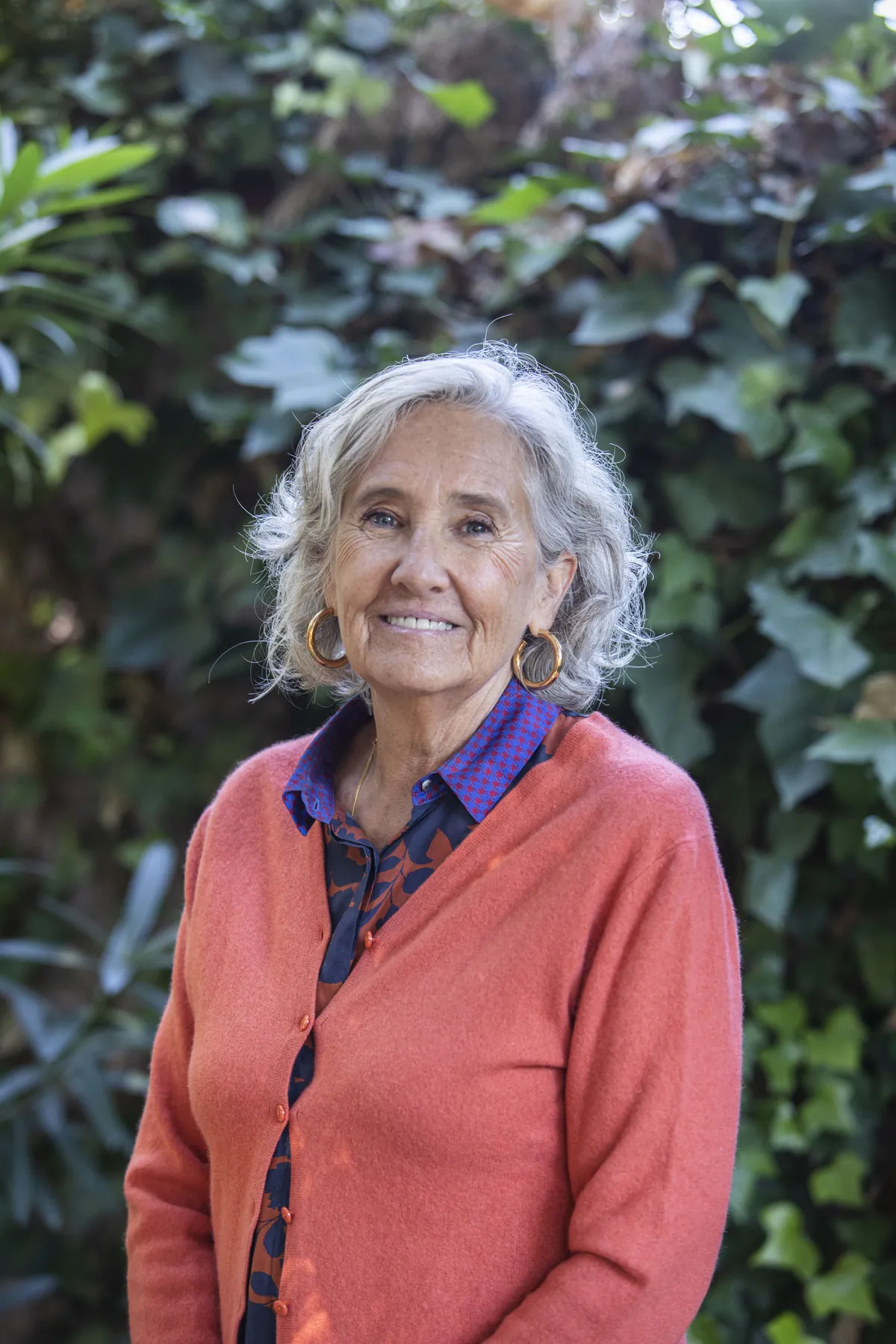
PEOPLE WHO SUPPORT YOU
Our team.
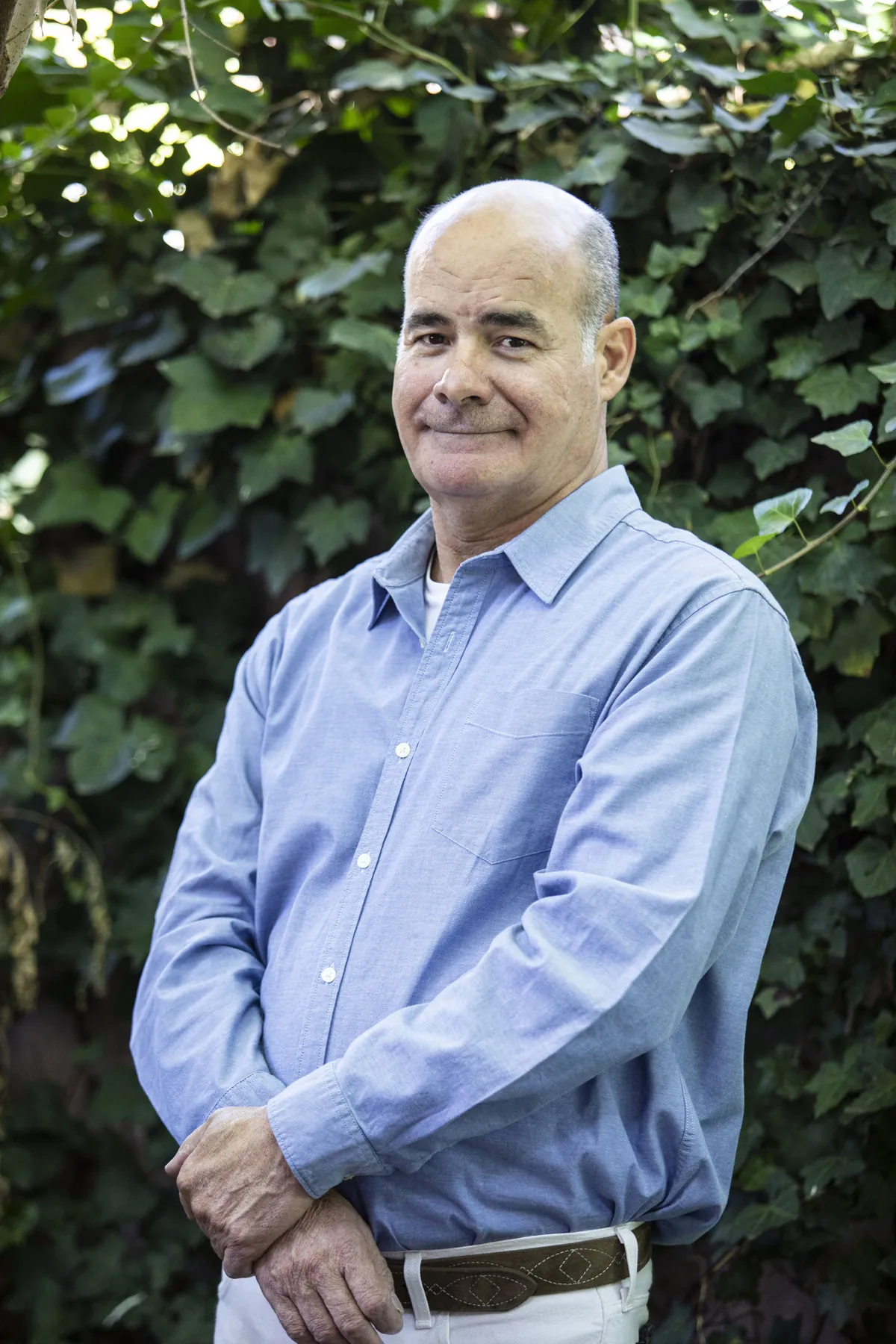
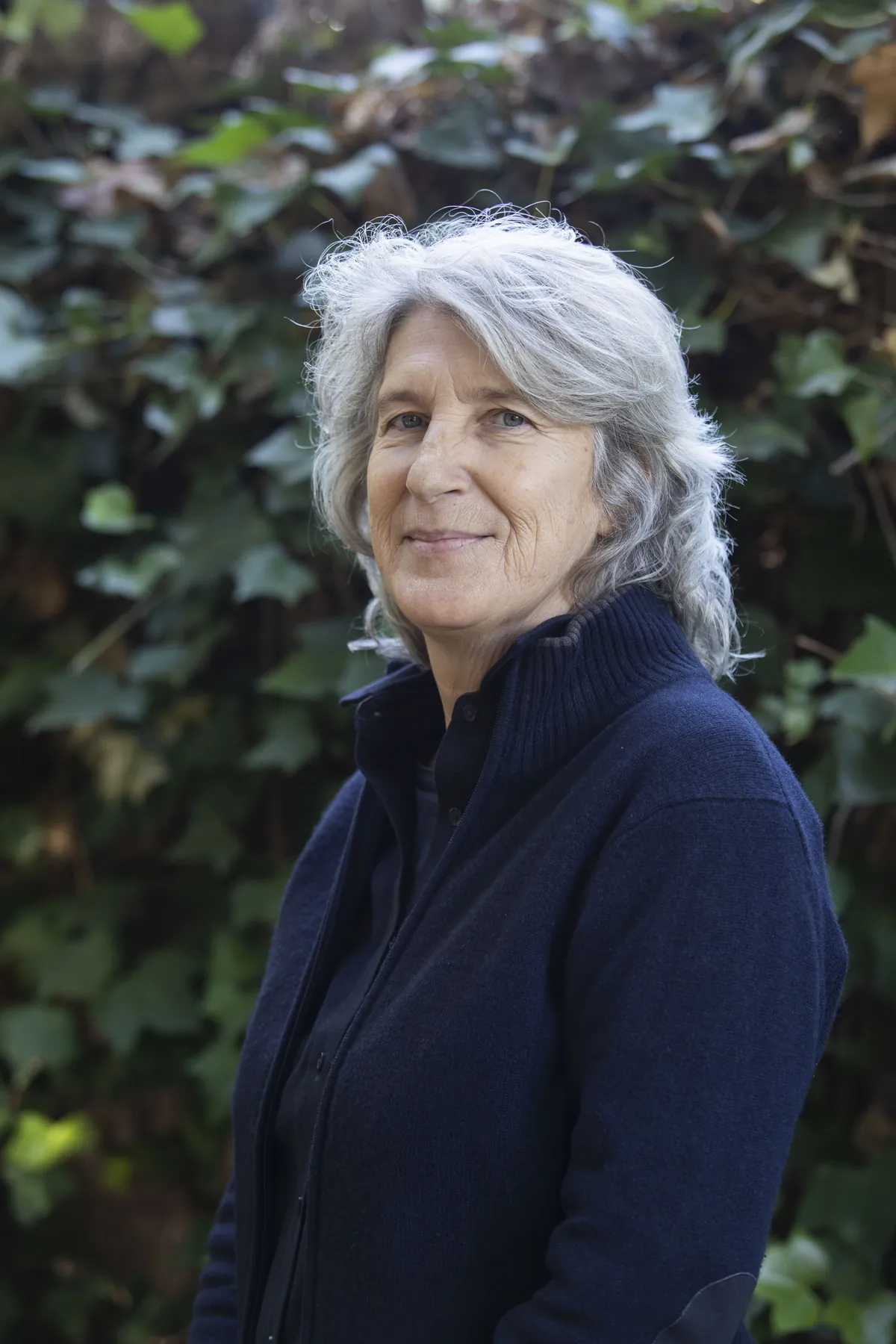
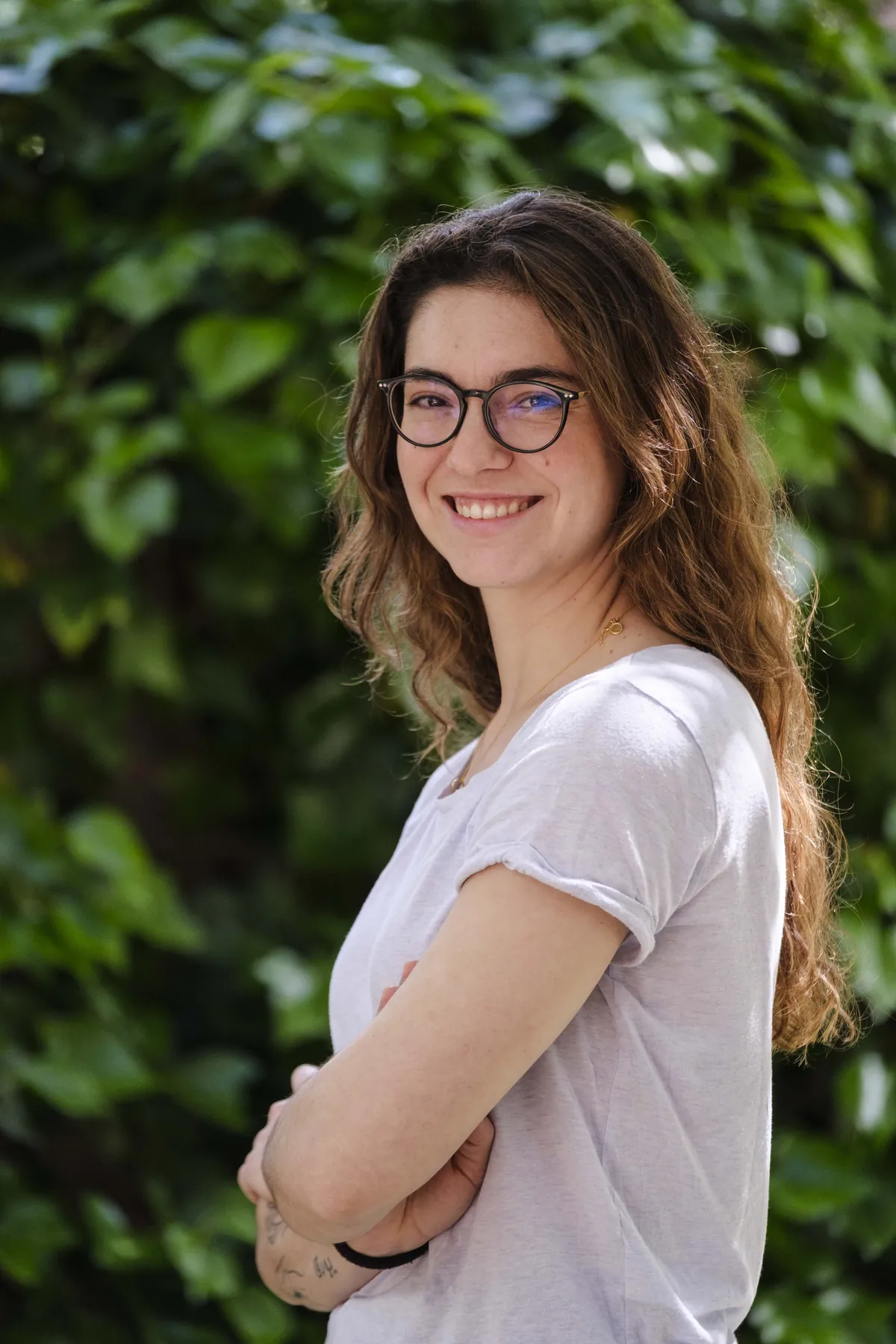
The Paduluce team includes psychologists, psychiatrists and therapists specialising in addiction treatment. They bring extensive experience and ongoing training, alongside empathy, humanity and dedication to their work.
Meet the teamA WELCOMING SPACE
Our centre.
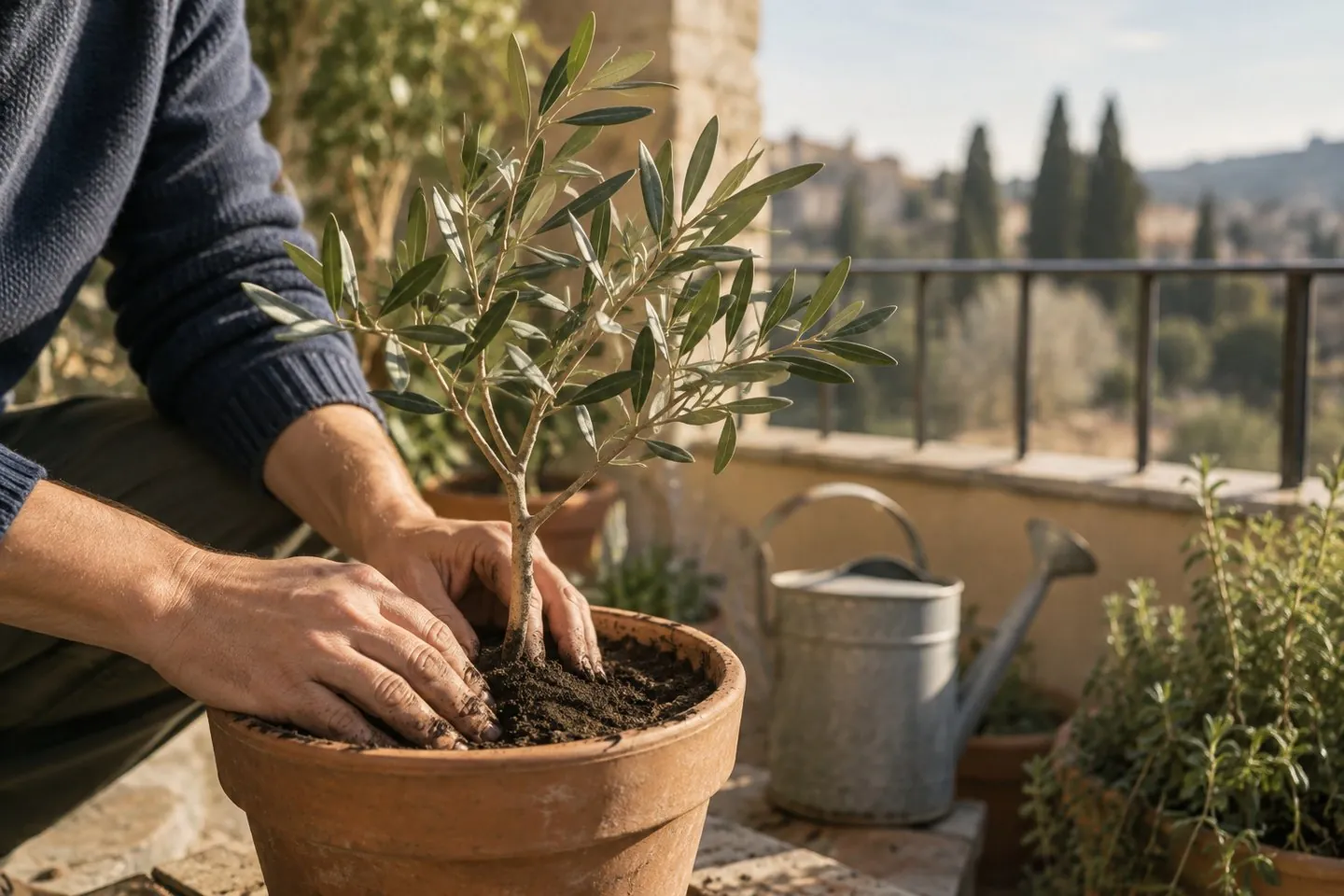
Paduluce Treatment Centre is in Pozuelo de Alarcón, a short drive from central Madrid and easily accessible by public transport. In a green setting away from traffic, the centre offers a warm, familiar atmosphere, with an experienced therapeutic team caring for its patients.
Explore the centre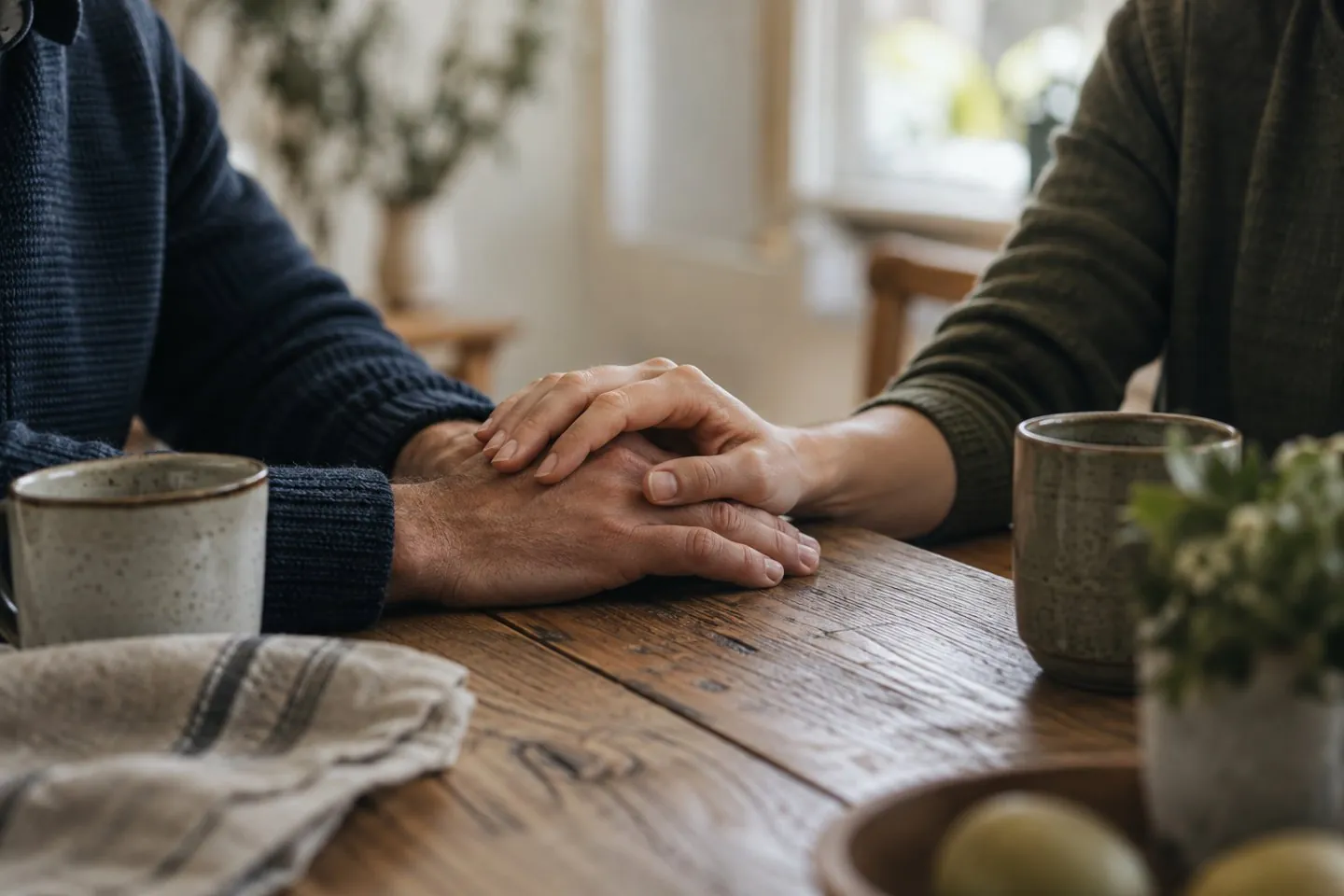
RESOURCES
View all articles (Spanish)Latest articles from our Spanish blog.

GOOGLE REVIEWSExperiences shared
Experiences shared
on Google.
Getting to know us also means listening to the experiences others have chosen to share.
Google
5.0 / 5 · 9 reviews
Visit our Google profile to read the published reviews about Paduluce.
Read reviews on Google ↗★★★★★
«Me ha cambiado la vida desde que estoy en este centro.»Review excerpt · GoogleRead full review ↗★★★★★
«Paduluce es mi segunda casa.»Review excerpt · GoogleRead full review ↗★★★★★
«Este centro consiguió cambiar mi vida..»Review excerpt · GoogleRead full review ↗Selected Google reviews · Checked on 17 September 2026.
Let’s talk in confidence ↗ANSWERS TO YOUR QUESTIONSFrequently asked
Frequently asked
questions.
Read the centre's answers.
What are the most common signs of addiction?
Signs can include loss of control, with an overwhelming urge and compulsive use; needing to use more to obtain the same effect (tolerance); discomfort when trying to stop (withdrawal); minimising negative consequences and self-deception. Sleep, work, studies and relationships may also be affected. Other signs include using to relieve distress rather than seeking pleasure, and unsuccessful attempts to stop.
Are problematic use and addiction the same thing?
No. Problematic use causes difficulties, while addiction involves loss of control and prioritising a substance or behaviour over other areas of life. We assess your situation to tailor the plan.
Will I need inpatient treatment for my addiction?
Most cases are treated on an outpatient basis through group and individual therapy. We recommend inpatient care when there are medical or psychiatric risks, an unsafe environment or a clear inability to stop using. We will guide you and coordinate an appropriate admission if needed.
How long does addiction treatment at Paduluce last?
Our programme lasts 3 years, with the frequency of therapy changing over that period. We begin with intensive attendance and gradually reduce the number of sessions, both in person and online.
What does treatment at Paduluce include?
An initial comprehensive assessment, a personalised plan, individual and group psychotherapy, occupational workshops, work with family members, support with sleep habits and anxiety, and medical coordination when appropriate.
What happens if I relapse?
The priority is to understand what happened: looking for clinical information rather than a failure of willpower, exploring the thoughts that arose and what purpose the behaviour served.
Relapse is not a failure. We use it as clinical information to adjust strategies, strengthen support and move forward with a safety plan.
Can my family or partner take part?
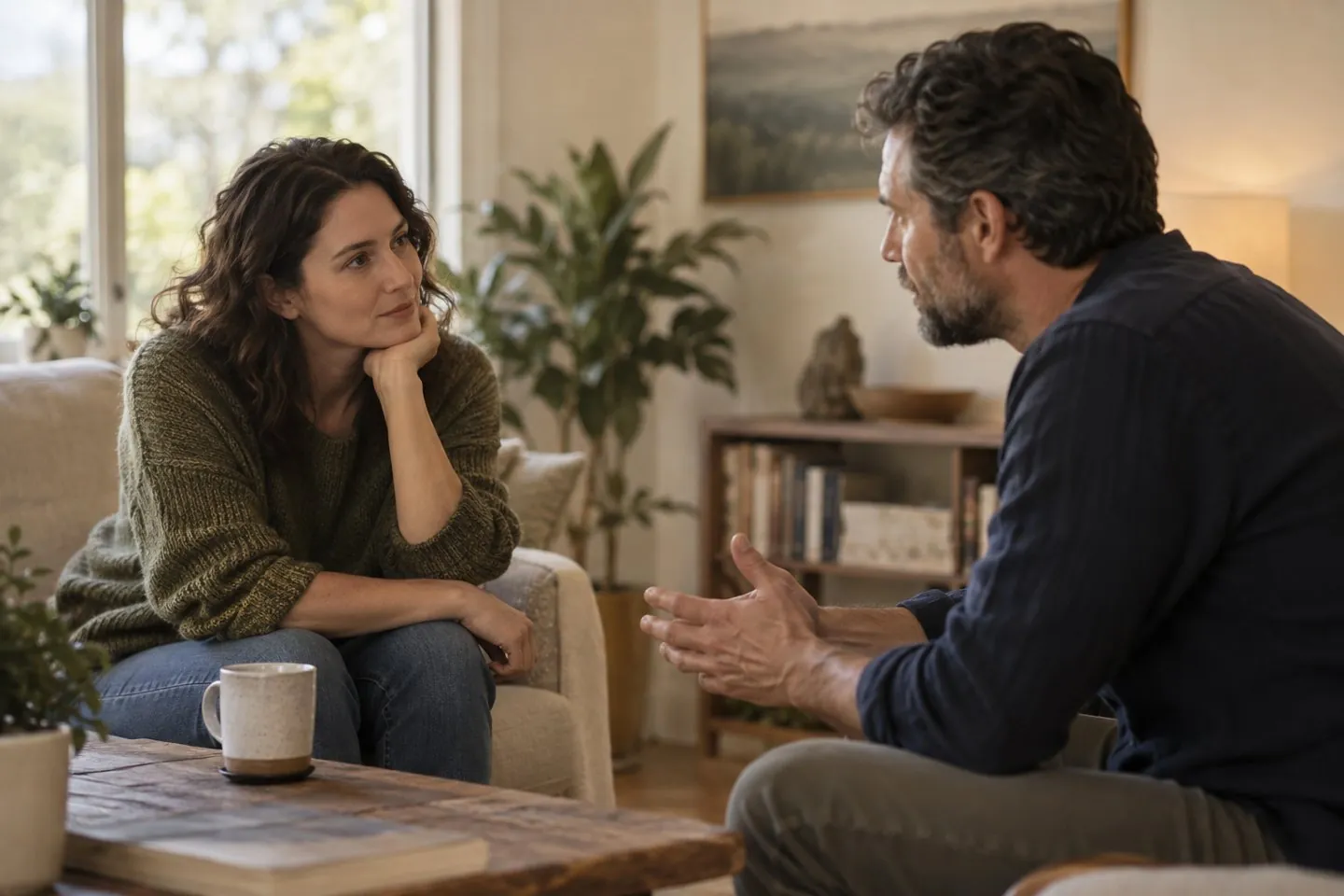
Participation is not only possible but recommended. We offer joint sessions for patients and people close to them, as well as sessions specifically for family members.
Families learn boundaries and ways of providing support that are more helpful to everyone involved. They meet people in similar situations who offer perspective and hope, and have space to express accumulated stress. We also see family members individually when needed.
Is treatment confidential?
Yes. Confidentiality is an ethical foundation of care and helps build trust throughout recovery. Your information, attendance and sessions are handled with respect for your privacy and professional confidentiality, in accordance with applicable law.
Can I combine treatment with work or studies?
We design compatible schedules and routines. Where necessary, we suggest more intensive formats or temporary adjustments.
Is medication used?
Not always, and never without medical agreement. Medication is not the centre of treatment and is not compulsory in every case. When used, it acts as a temporary medical support tool. Psychotherapy and changes in habits remain the foundation of treatment.
Do you treat anxiety, depression or other related difficulties?
Yes. Addictions often coexist with other difficulties. When present, these are addressed together from the first day. Clinically, this is known as dual diagnosis: an addiction occurring alongside another mental health problem, such as depression, panic attacks, trauma or insomnia.
Treating these difficulties separately often leads to relapse, because substance use may have begun as an attempt to relieve emotional distress.
What should I do in an emergency or if my safety is at risk?
Physical safety comes first. If there is immediate danger or a medical emergency, call 112 in Spain. Do not try to resolve a crisis through confrontation or wait for a response from the centre.
In Spain, 024 offers support for suicidal thoughts or risk, including for relatives and loved ones. The 016 service offers information, legal advice and specialist psychosocial support concerning violence against women. These services do not replace 112 in an immediate emergency.
Tell our team about the incident once the emergency has passed. We will help you review what happened within the treatment plan. Seeking help is an act of care, not a betrayal of the patient.
WE ARE HERE TO LISTENYour first appointment
Your first appointment
is free.
We support you in rebuilding your wellbeing and everyday life. Begin with a free appointment.
Contact us using the form, call us, or write to us by email or WhatsApp.
hola@paduluce.com ↗Message us on WhatsApp ↗POZUELO DE ALARCÓN · MADRID